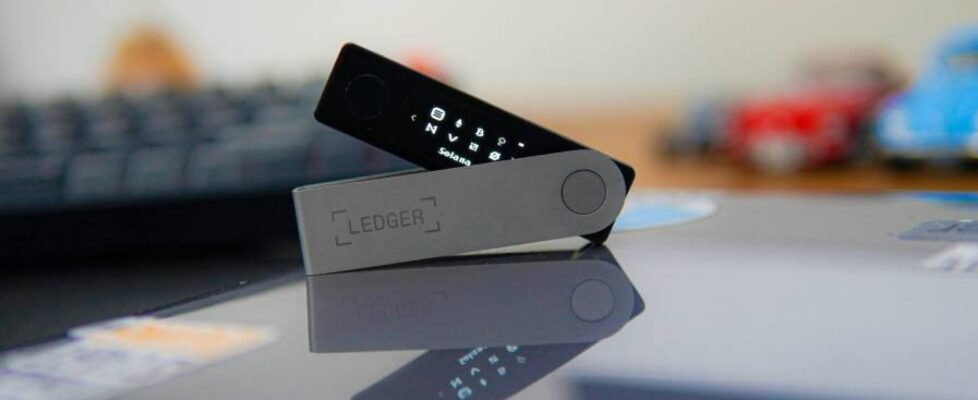
Protect Your Crypto: Why Ledger Hardware Wallets Work Best
The Importance of Crypto Security: Why Exchanges Aren’t Enough
The rise of cryptocurrencies has revolutionized the financial landscape, yet it has also introduced significant risks, especially concerning storage and security. Many users prefer to keep their digital assets on exchanges due to convenience. However, this approach poses considerable risks that cannot be overlooked. High-profile cases of exchange hacks, such as the infamous Mt. Gox incident in 2014, where approximately $450 million worth of Bitcoin was stolen, serve as a stark reminder of the vulnerabilities present in online platforms. Such incidents highlight the inherent dangers of storing large amounts of cryptocurrency on exchanges.
Exchanges are targeted for attacks due to the vast amounts of crypto they manage. Hackers exploit vulnerabilities, and once they succeed, the entire user base can be affected. In 2021, the Poly Network exploit resulted in a loss of over $600 million, showcasing the risk users face when they rely solely on platforms for asset storage. Following these incidents, many users have turned to hardware wallets like the Ledger wallet, recognizing the need for improved crypto security.

Additionally, exchanges often implement security measures that, while robust, can still fail. Factors such as human error, inadequate updates, or weaknesses in their security protocols can lead to catastrophic breaches, resulting in substantial financial losses for individuals. Storing your crypto on a ledger wallet significantly minimizes exposure to these risks. Unlike exchanges, hardware wallets are designed to keep the private keys offline, making them much less susceptible to hacking attempts. With a ledger wallet, users have full control over their digital assets, ensuring that their crypto is as secure as possible.
Understanding How a Ledger Hardware Wallet Works
A Ledger hardware wallet serves as a dedicated device designed specifically for managing and securing cryptocurrency assets such as Bitcoin, Ethereum, and other altcoins. Unlike software wallets or exchanges that connect to the internet, a Ledger wallet operates offline, thereby offering heightened security against cyber threats. Its core functionality revolves around the utilization of secure elements that safeguard the user’s private keys—essential components that grant access to their crypto holdings.
The design of a Ledger wallet incorporates advanced cryptographic technology, ensuring that private keys never leave the device. Instead, all sensitive operations, including the signing of transactions, occur within the wallet itself. This method eliminates the risk of exposing private keys to potentially harmful software or online attacks, a common vulnerability for software wallets and exchanges. The Ledger wallet generates a unique seed phrase when first set up, which acts as a backup for restoring access to the crypto assets if the device is lost or damaged.
Transaction signing is a straightforward but crucial process within a Ledger wallet. When a user initiates a transaction, the details are transferred to the hardware wallet, where it is signed without the need for an internet connection. This significantly reduces the attack surface that hackers could exploit, making it a preferred choice for individuals serious about crypto security. Furthermore, Ledger wallets are designed to be user-friendly, with intuitive interfaces that guide users through various functions, ensuring that managing and securing cryptocurrency is an accessible experience.
By leveraging the advanced features of secure elements and offline transaction signing, a Ledger hardware wallet empowers users with full control over their cryptocurrency. This is a key advantage over software wallets and exchanges, which may expose users to security risks. As the crypto landscape continues to evolve, having a reliable hardware wallet like Ledger becomes increasingly essential for protecting one’s digital assets.
Setting up a Ledger hardware wallet is a crucial step in ensuring your crypto holdings are secure. To begin, it’s essential to purchase your Ledger device from a reputable source, preferably directly from the official ledger website or authorized retailers. This prevents you from receiving a tampered device which could compromise your crypto security.
Once you have your Ledger wallet in hand, begin by unboxing it. Confirm that all components are present, including the wallet itself, a USB cable, and a recovery sheet. Utilize the Ledger Live application, which is available for both desktop and mobile, to install the necessary software. Follow the provided instructions to download the application and connect your wallet to your computer or mobile device using the USB cable.
During the setup process, the Ledger device will prompt you to create a new wallet. You will be guided to create a secure PIN. This is a crucial component of your crypto security, so choose a PIN that is not easily guessable and avoid using simple sequences or repeated numbers. Make sure to remember your PIN, as you will need it every time you access your wallet.
After establishing your PIN, you will then be asked to generate a recovery phrase. This is a sequence of words that provides a backup to restore access to your crypto assets in case your device is lost or damaged. It is essential to write down this recovery phrase on the physical recovery sheet provided, and store it in a secure location, away from prying eyes. Never share your recovery phrase with anyone, as possession of these words allows access to your funds.
Upon completion of the setup process, you will be ready to connect your Ledger wallet to various crypto exchanges and manage your assets securely. By following these practical steps, you not only protect your crypto holdings but also lay the groundwork for a safer digital asset management experience.
Long-Term Crypto Storage Tips and Best Practices
When it comes to long-term crypto storage, security is paramount. Utilizing a Ledger wallet is one of the most effective ways to protect your holdings from potential threats. This hardware wallet significantly reduces the risk of hacks that often target exchanges. To maximize the effectiveness of your Ledger wallet, ensure that you familiarize yourself with its features and functionalities, as well as how it integrates with your chosen cryptocurrencies.
Regularly updating the firmware of your Ledger wallet is crucial for maintaining crypto security. These updates often include vital security patches that protect against emerging vulnerabilities. Moreover, you should also take the time to securely store your backup phrases in a safe place, such as a safety deposit box, rather than a location easily accessible to others. This practice enhances your protection and makes it harder for unauthorized individuals to gain access to your crypto assets.
In addition to these practices, diversifying your crypto investments across multiple wallets can also enhance security. By not putting all your assets in one place, you reduce the risk of losing everything at once. Additionally, always be vigilant about where you are accessing your cryptocurrency and avoid public Wi-Fi networks when managing your investments as they can expose you to potential threats.
Lastly, remain informed about ongoing trends and tactics in the realm of cryptocurrency. Cybercriminals are continually evolving their methods, making it crucial to stay educated about potential risks and effective countermeasures. Adopting a proactive approach to crypto security means continuously reassessing your strategies and ensuring that your investments remain safeguarded against potential breaches.
Frequently Asked Questions
How does a Ledger wallet protect my digital assets?
Ledger wallets use secure chips and encryption to store private keys offline. Transactions must be verified on the device itself, ensuring hackers cannot access your crypto even if your computer is compromised.
Can I use a Ledger wallet with multiple cryptocurrencies?
Yes. Ledger supports hundreds of cryptocurrencies, including Bitcoin, Ethereum, and many altcoins. You can manage multiple assets in one device safely, using Ledger Live software for easy tracking and transactions.